5 things to see and do in Jaipur, India + unique recommendations

Ten days in Jaipur is more than enough to truly live and breathe one city. I built our itinerary as a blend of early mornings, slow palace afternoons, and small glimpses into local life between the chaos.
A few of these findings I hadn’t seen anyone mention before, so here we go.

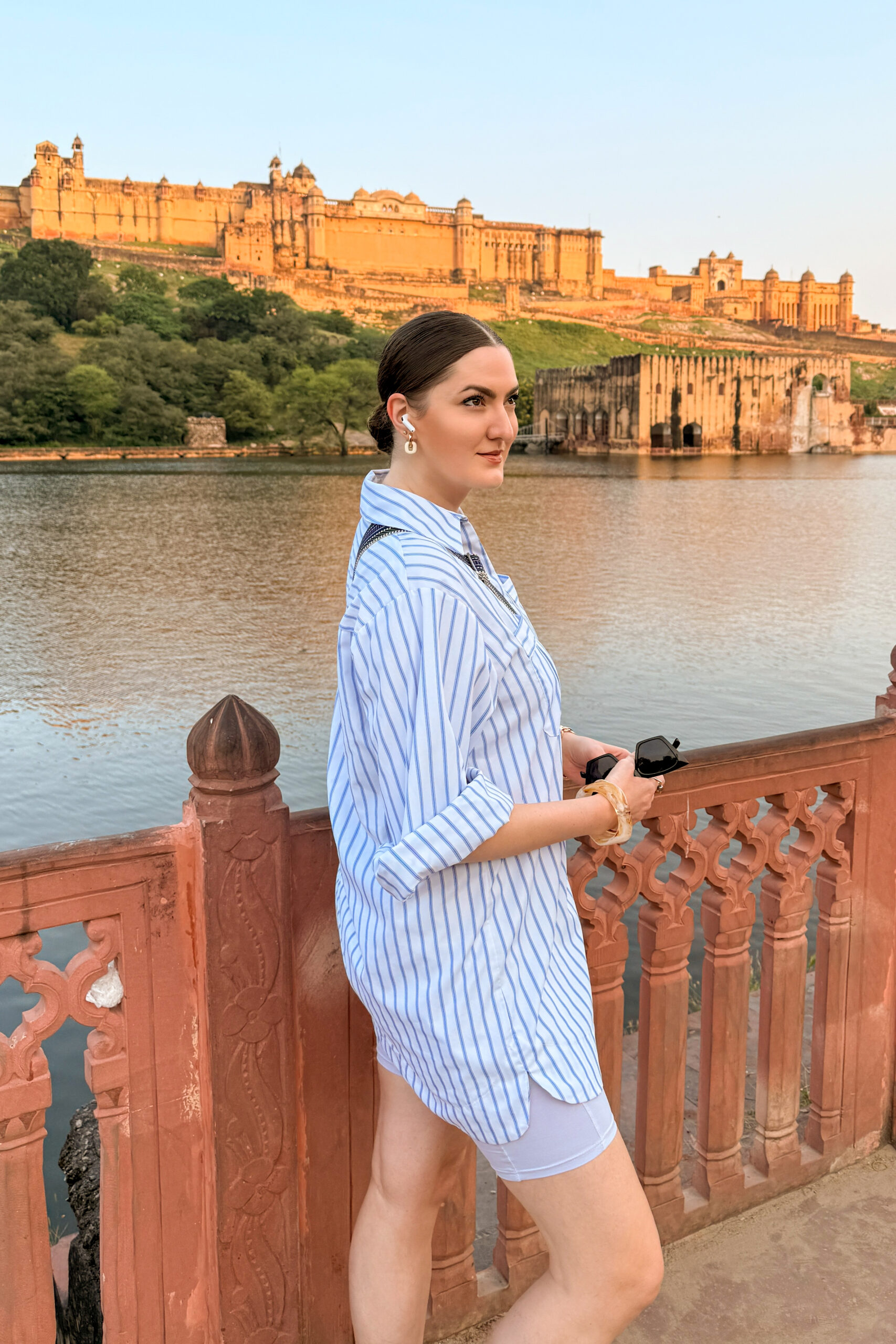
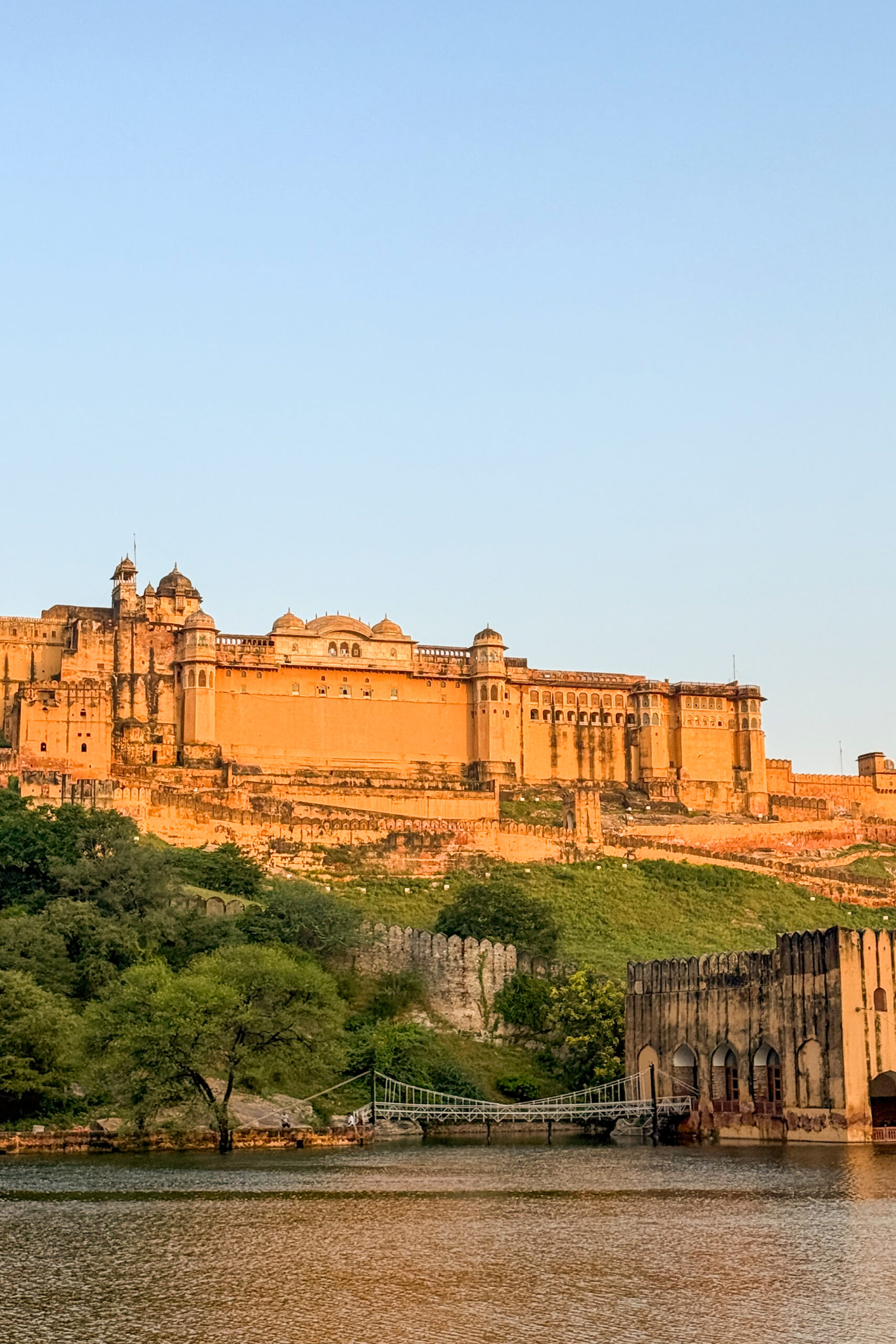
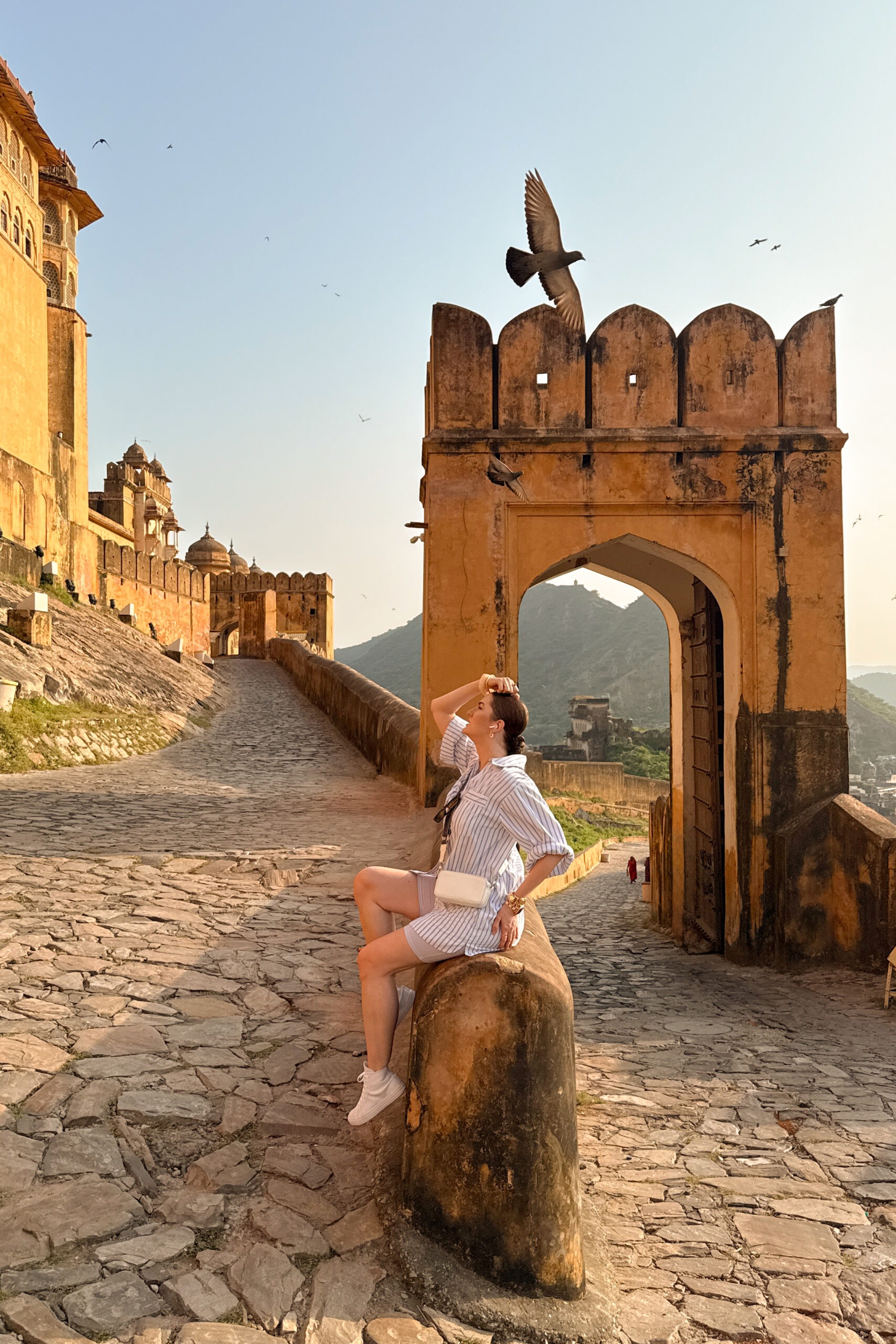
Amber Fort

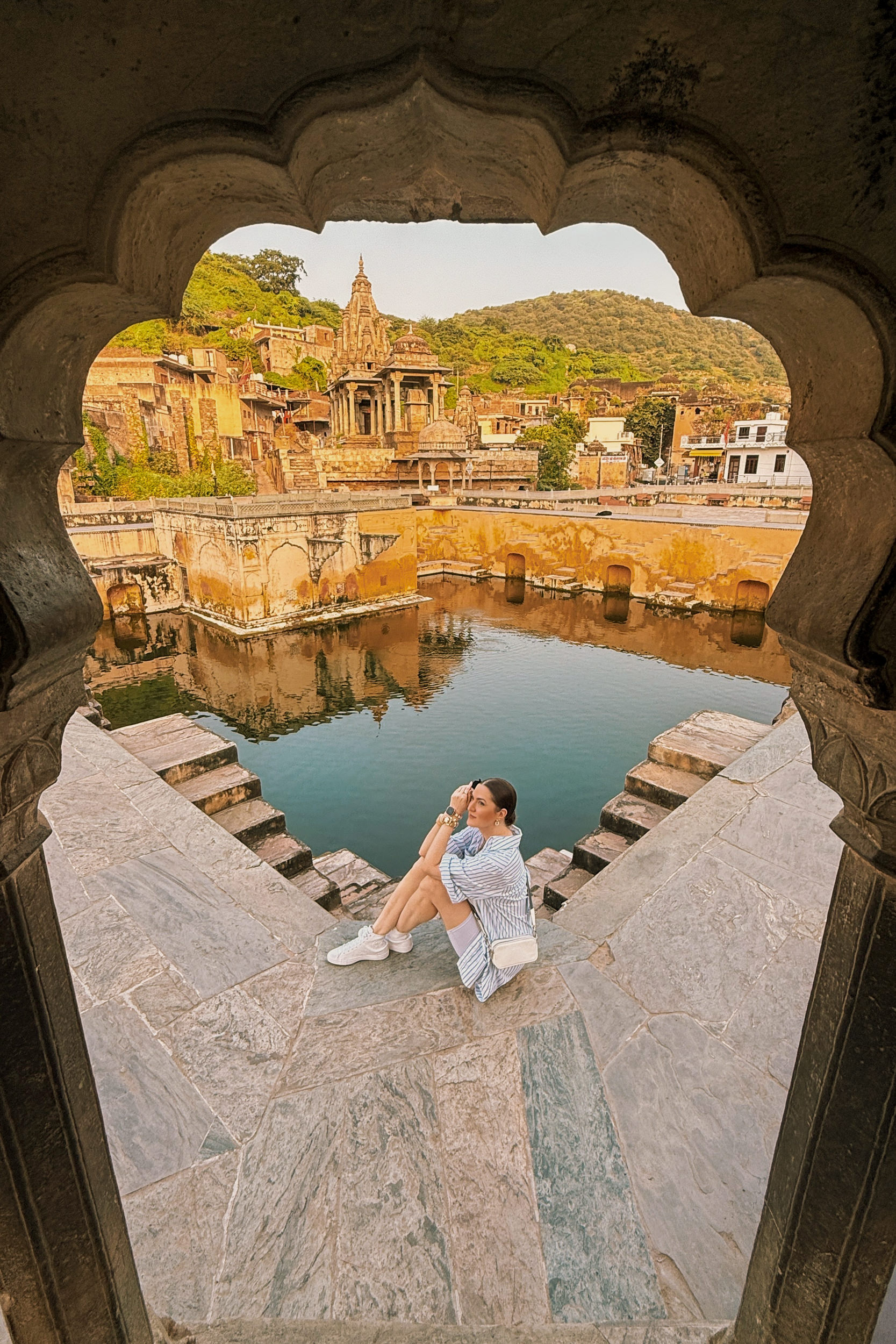
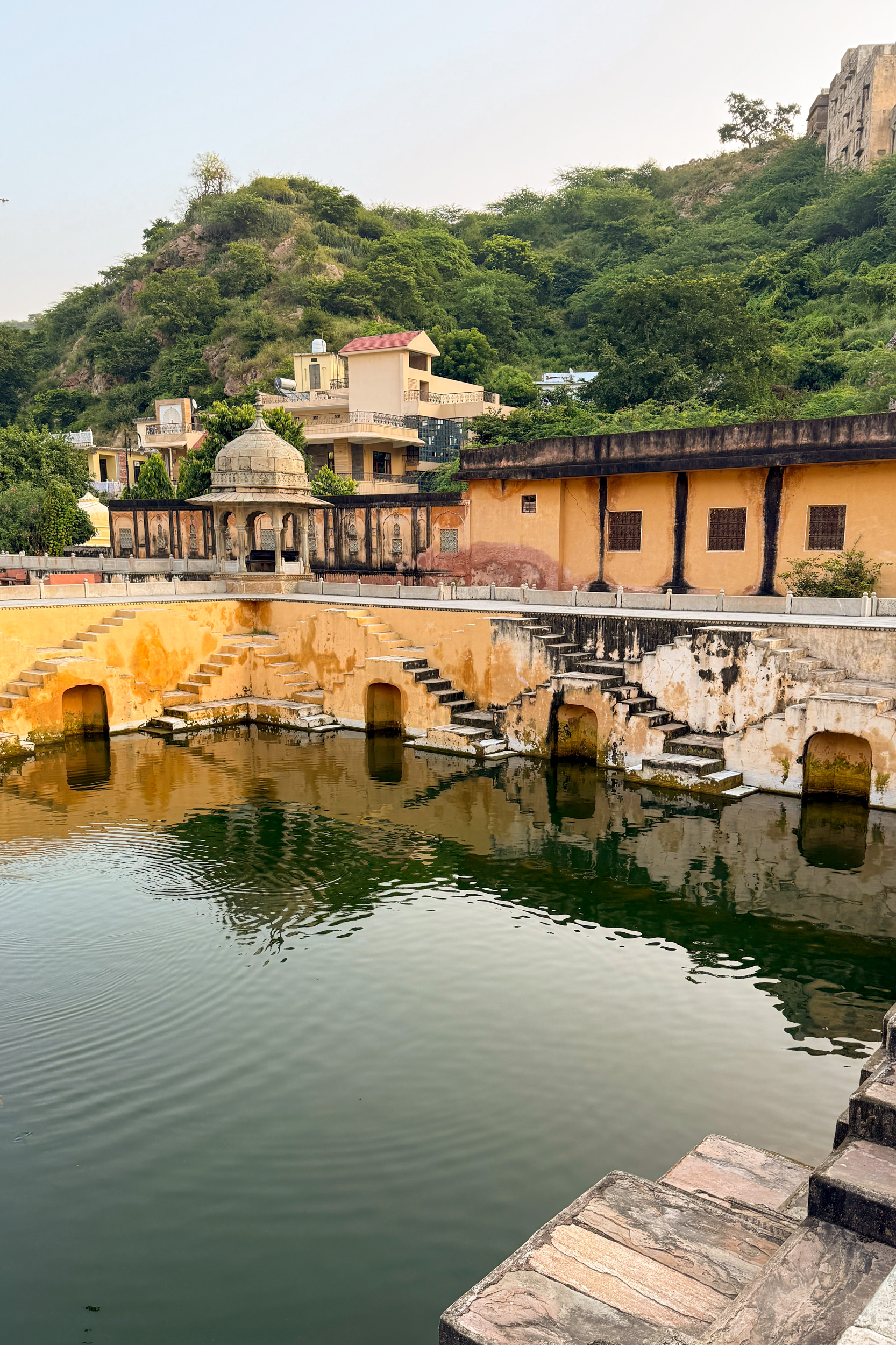
Come at 7am. It’s quiet, the light is golden, and the gray-faced monkeys are still half asleep, running around peacefully. The landmark is incredible: steeped in history, architecture, and stories of Rajput rulers. If you’ve done your homework ahead of time, you may not need a guide (but it helps if you’re curious about the details). Don’t skip Panna Meena ka Kund, a stepwell just a few minutes away – hauntingly beautiful, especially in softer light. I highly recommend hiring a driver for this day; Jaipur traffic is an adventure, and it makes photo stops infinitely easier.

Fun fact: Amber Fort was built in 1592 by Raja Man Singh I, the same general who led Mughal Emperor Akbar’s army. Beneath all its beauty, it hides a secret tunnel connecting the fort to Jaigarh Fort, built as an escape route during battles.

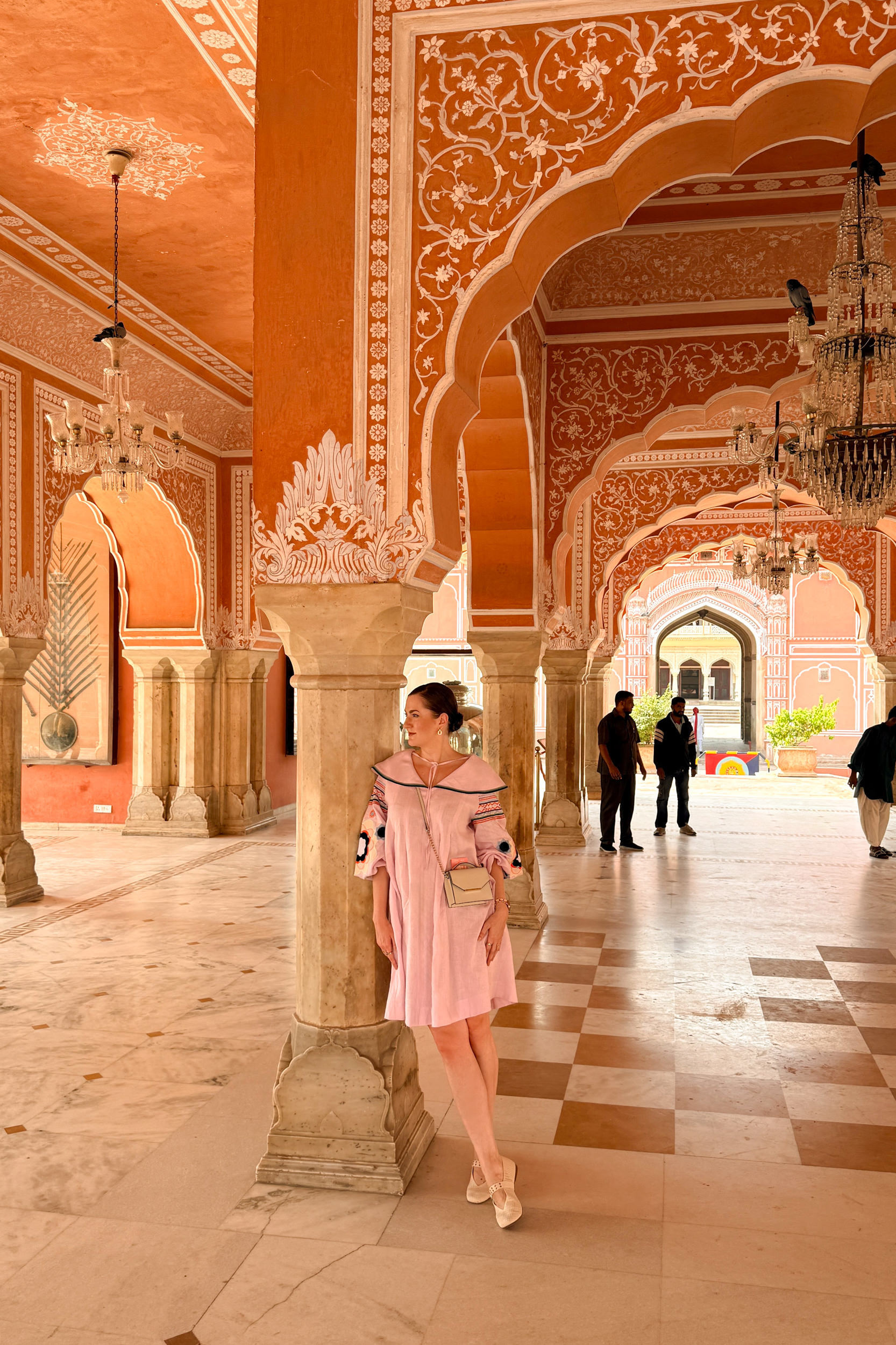
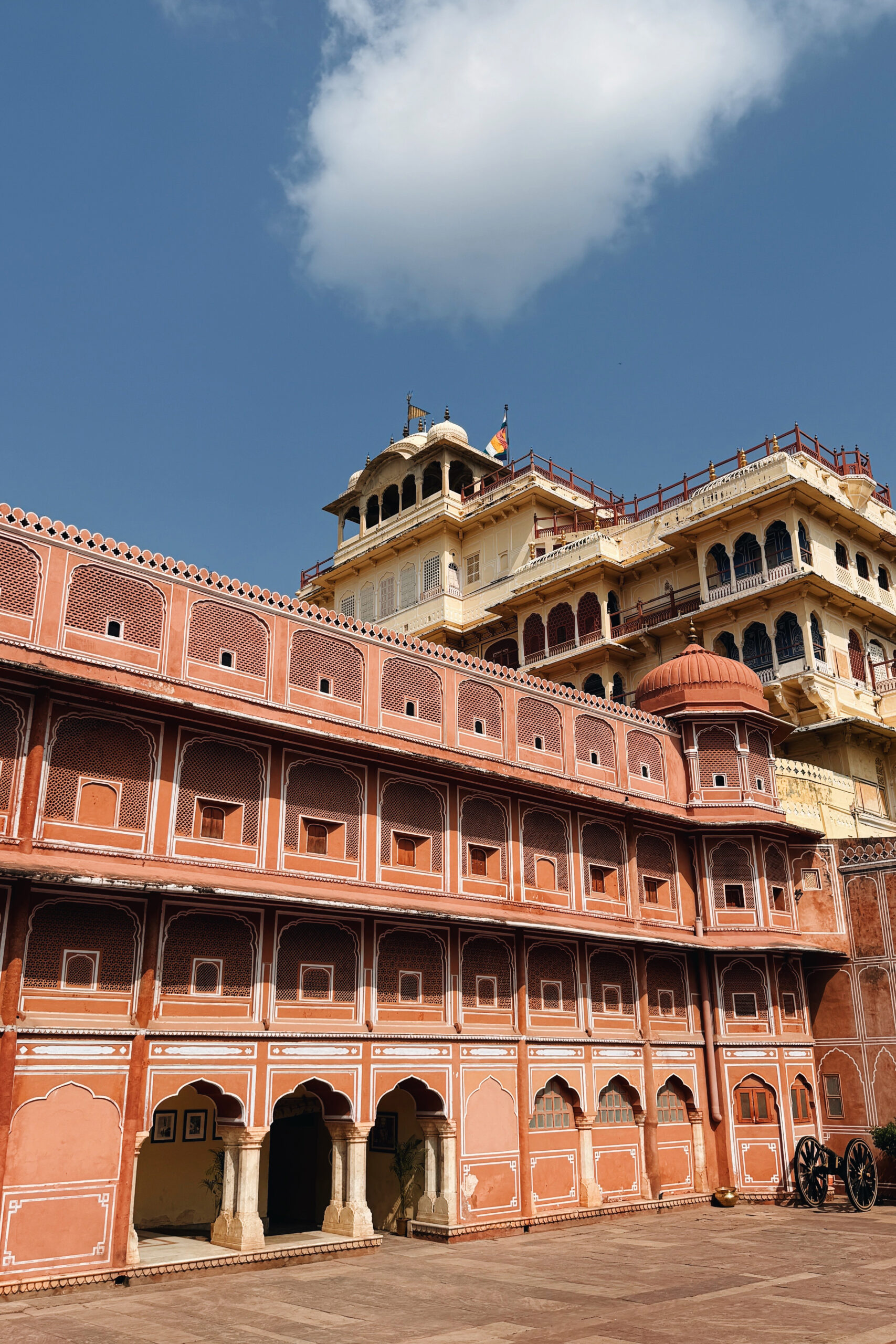
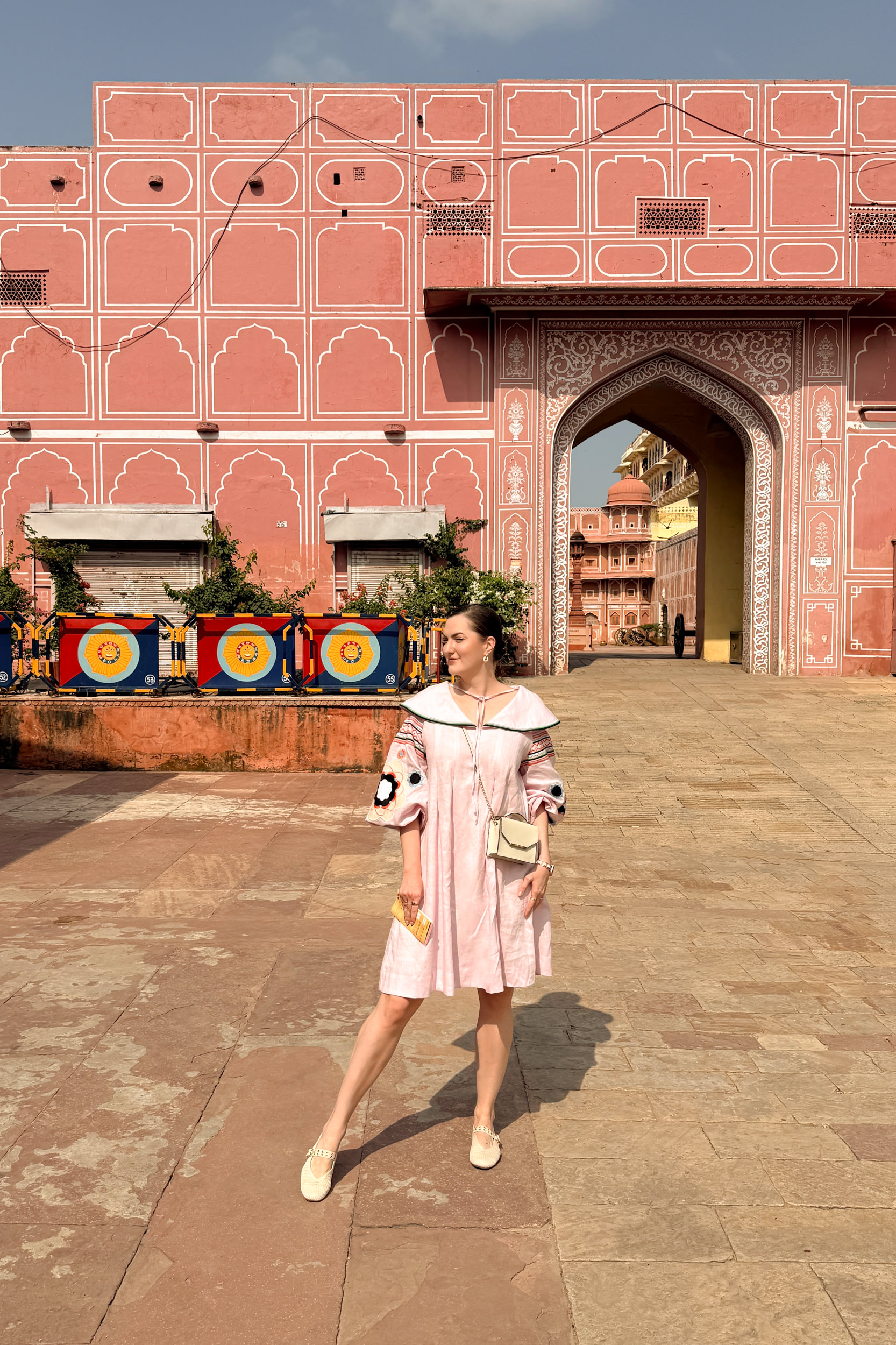
City Palace

Arrive right at 9:30am when it opens. The general ticket (₹2,000) gives you access to the main areas, but the Blue Room you see all over Instagram? That’s only included with the ₹5,000 private tour (guide included). Worth it if you love interiors and details. Note: Sarvato, the palace restaurant, is seasonal and closed during monsoon months (June–September). Top of my list for next time.
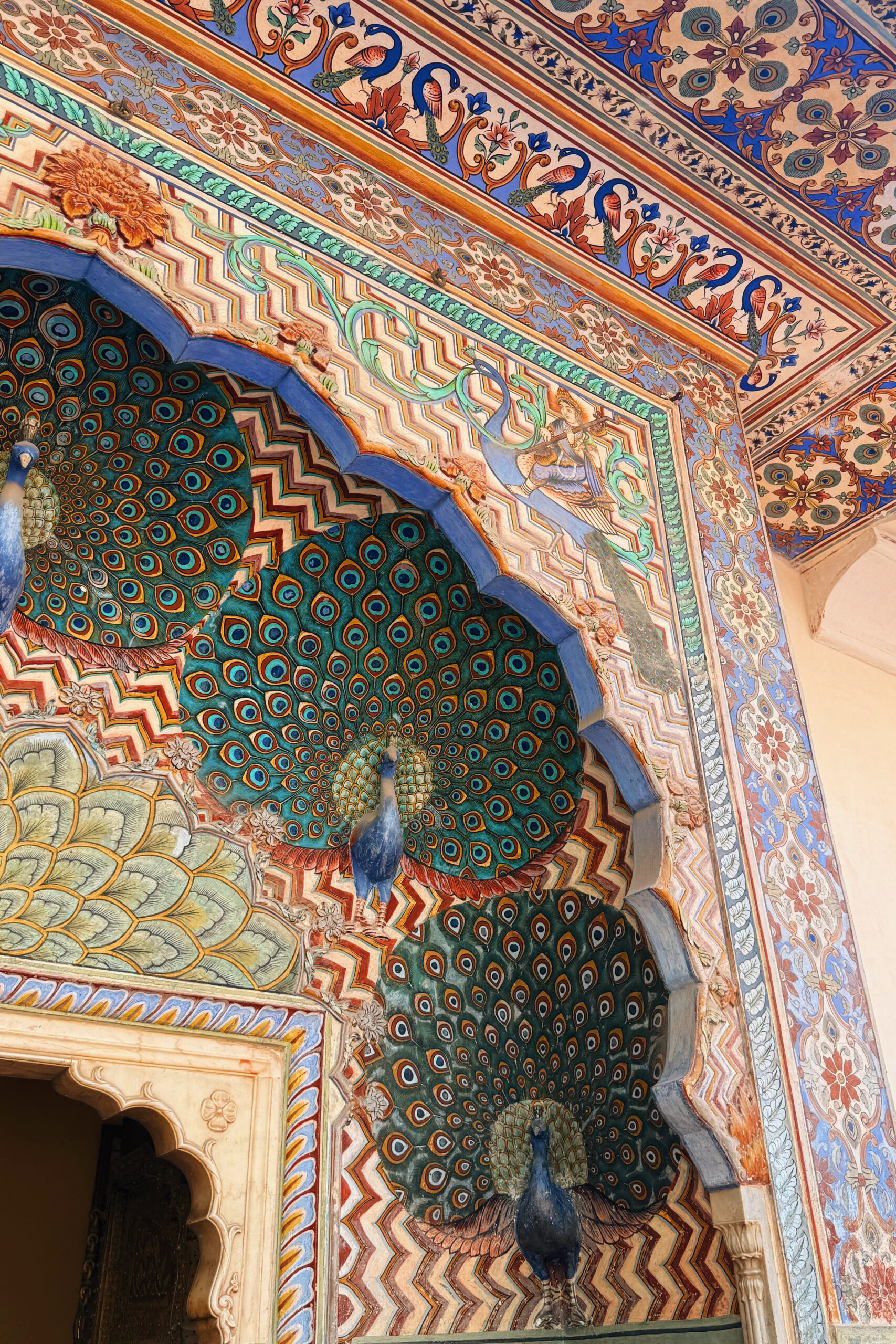
Fun fact: The four decorative gates inside City Palace represent the four seasons and Hindu deitiesL Peacock Gate for autumn (Lord Vishnu), Lotus Gate for summer (Lord Shiva and Parvati), Green Gate for spring (Lord Ganesha), and Rose Gate for winter (Goddess Devi). Each is hand-painted with natural pigments and real gold accents.

Hawa Mahal

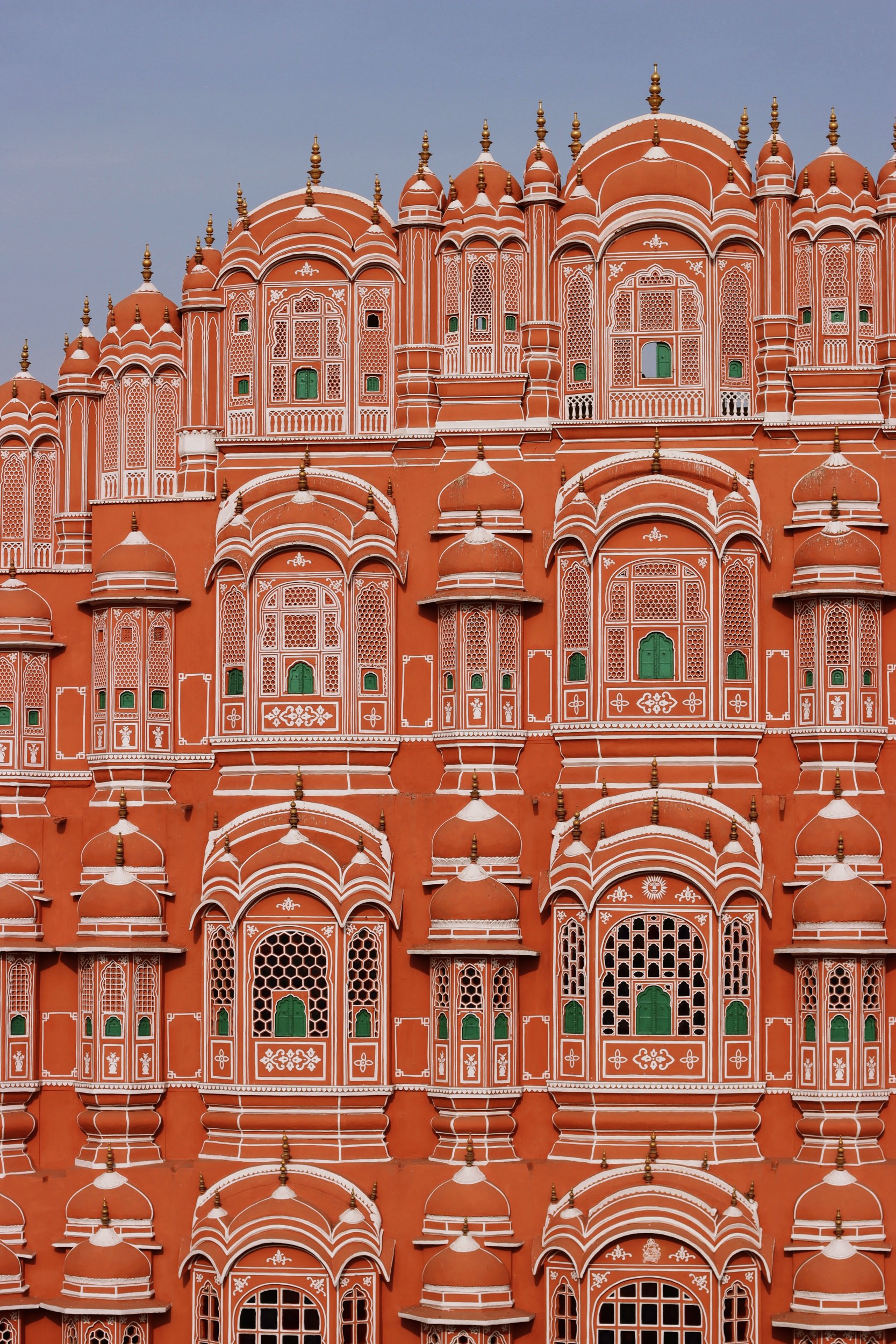
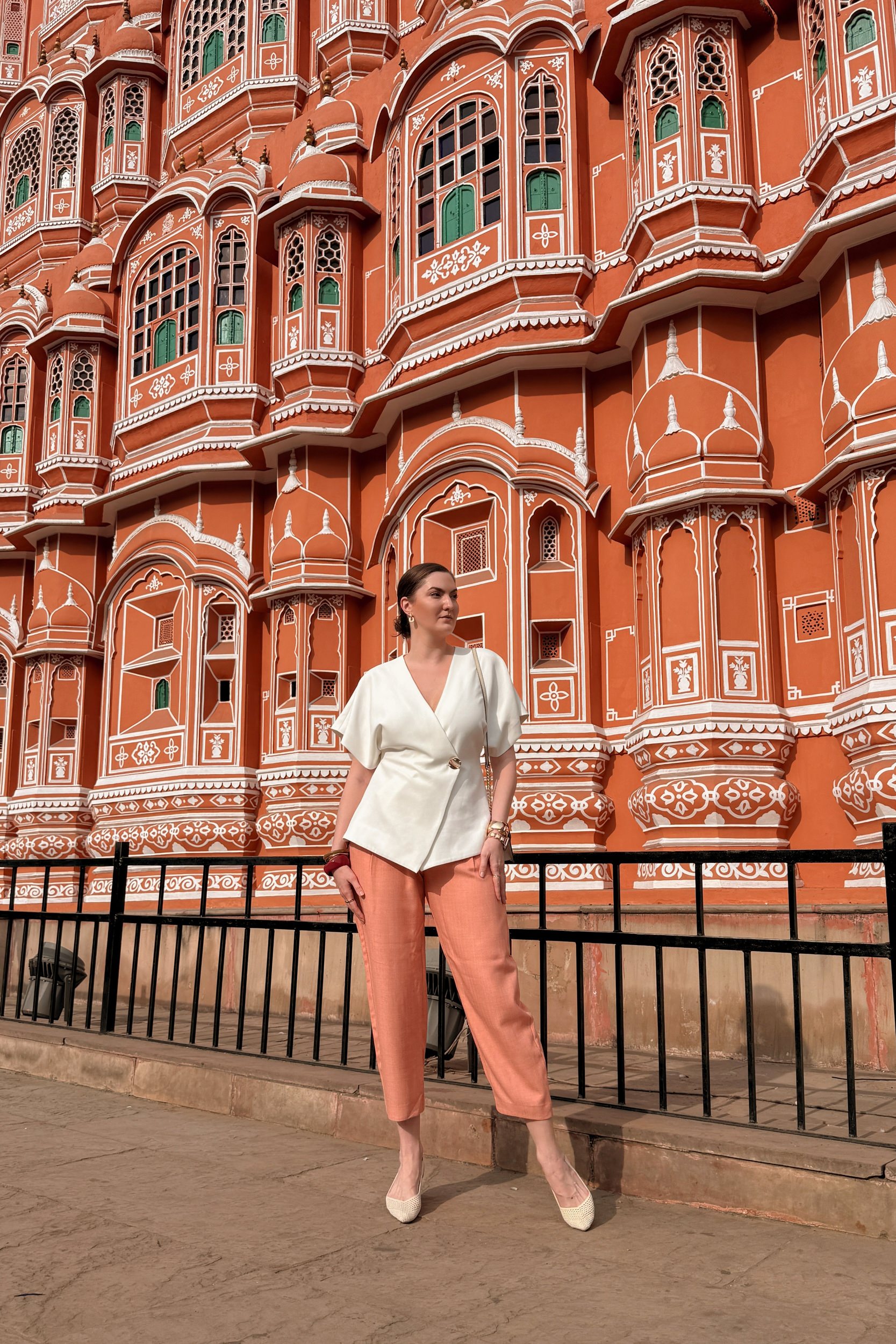
Be there around 8am and cross the street to the Tattoo Café for THE photo, the perfect view of Hawa Mahal without a single person in frame. Entry is ₹250, and you need to buy something, so we got iced coffees (safe, delicious, zero stomach issues). Once it gets busier, wander the bazaars around it: colorful, loud, and yes, a bit overwhelming. I hate crowds and managed fine, so it’s doable with patience and humor.
Fun fact: Hawa Mahal (or “Palace of Winds”) has 953 tiny windows (called jharokhas) built so royal women could watch street festivals without being seen. The design also channels air flow, keeping the palace naturally cool during Rajasthan’s brutal summers.

Nahargarh Fort

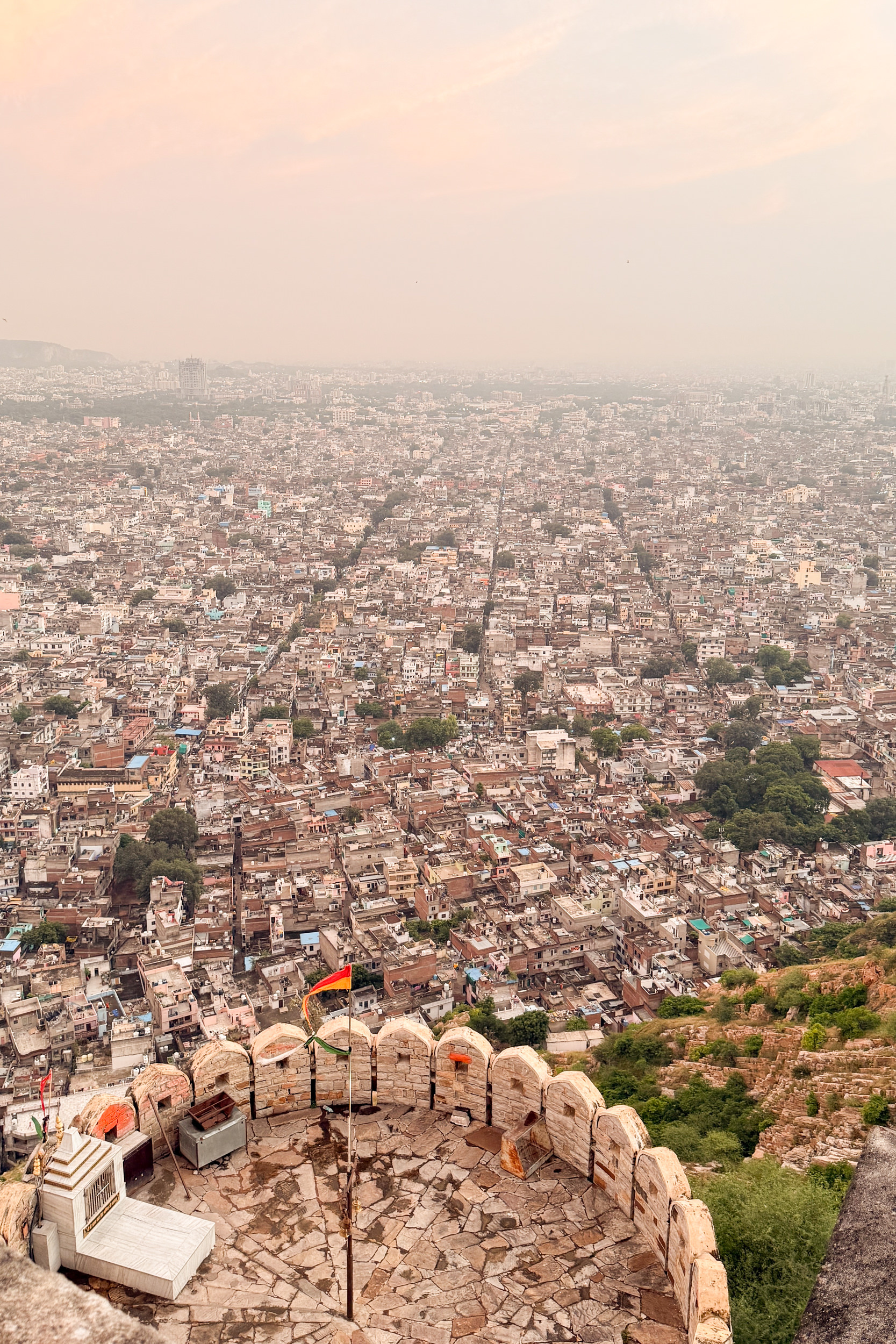
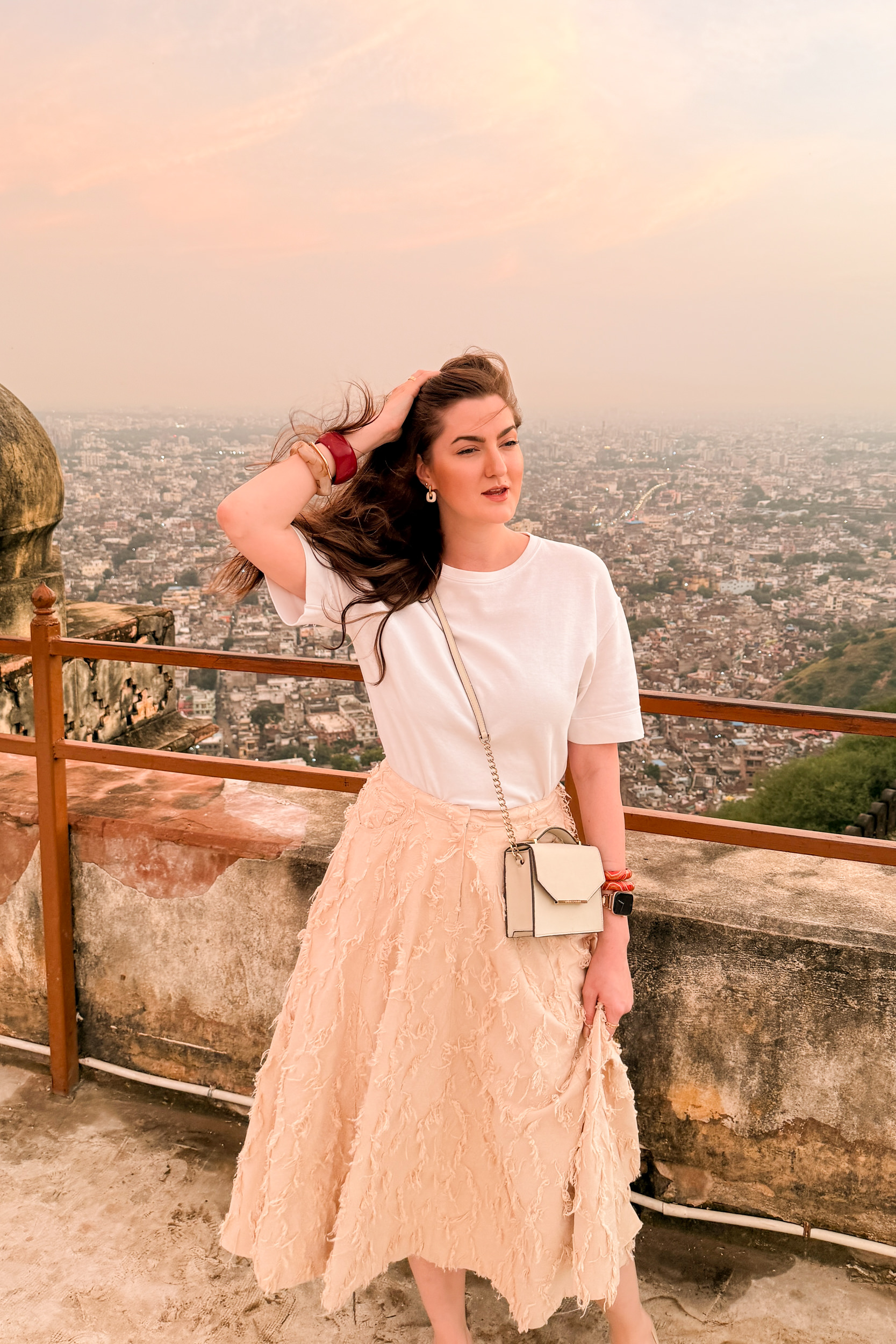
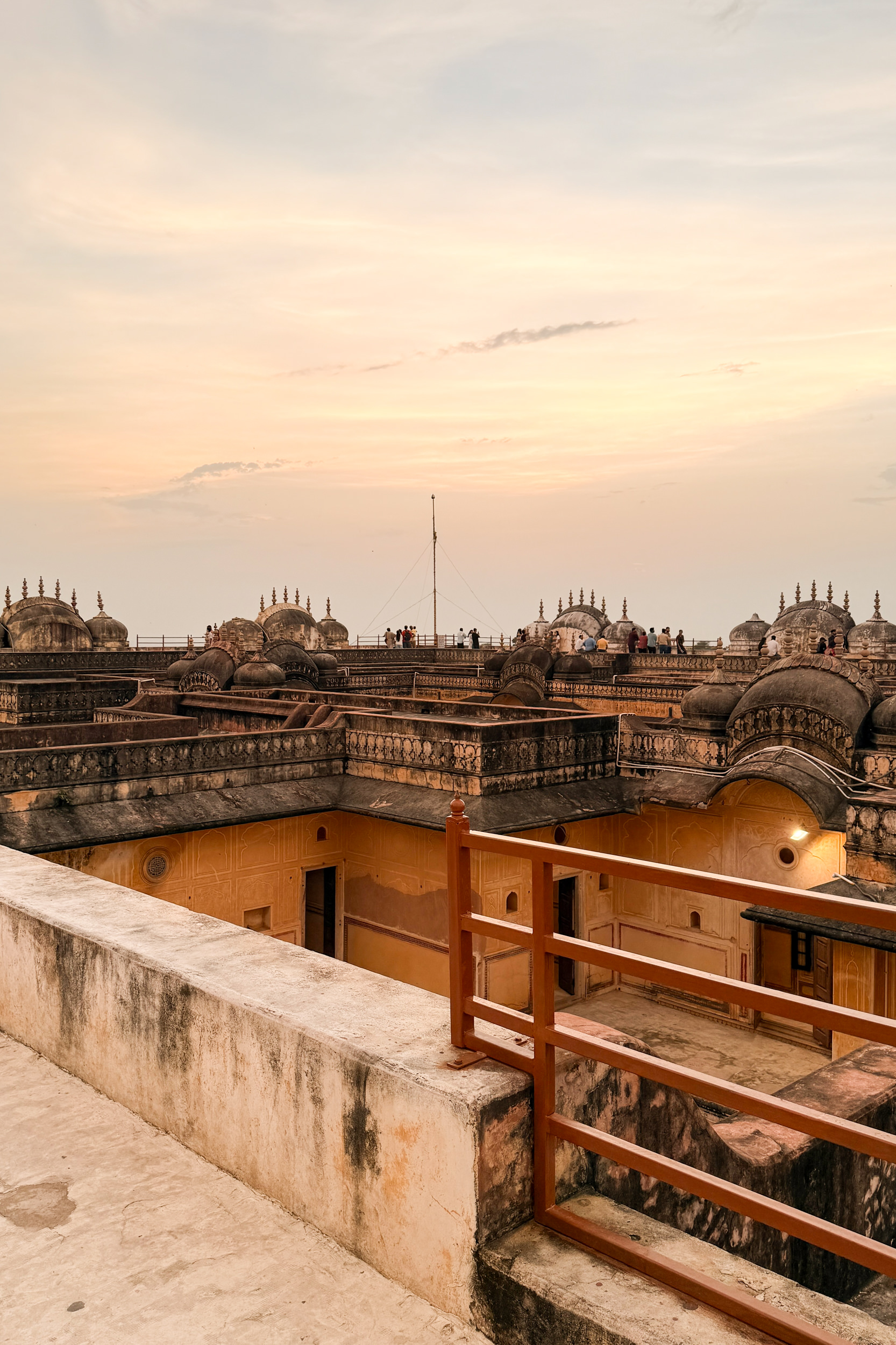
A tricky one. The views of Jaipur are unbelievable… The kind of cinematic panorama that makes you fall in love with the city all over again. But the red-faced monkeys here are aggressive, unlike the calm gray ones at Amber. They’ll surround you if you look nervous and might try to snatch things. Go at your own risk, keep your distance, and avoid the rooftops if you’re not comfortable.
Fun fact: Locals say Nahargarh Fort is haunted by a spirit named Nahar Singh Bhomia, a prince whose soul supposedly refused to let the fort be built on his land. A shrine was later built inside the walls to appease him, hence the name “Nahargarh.”

Patrika Gate

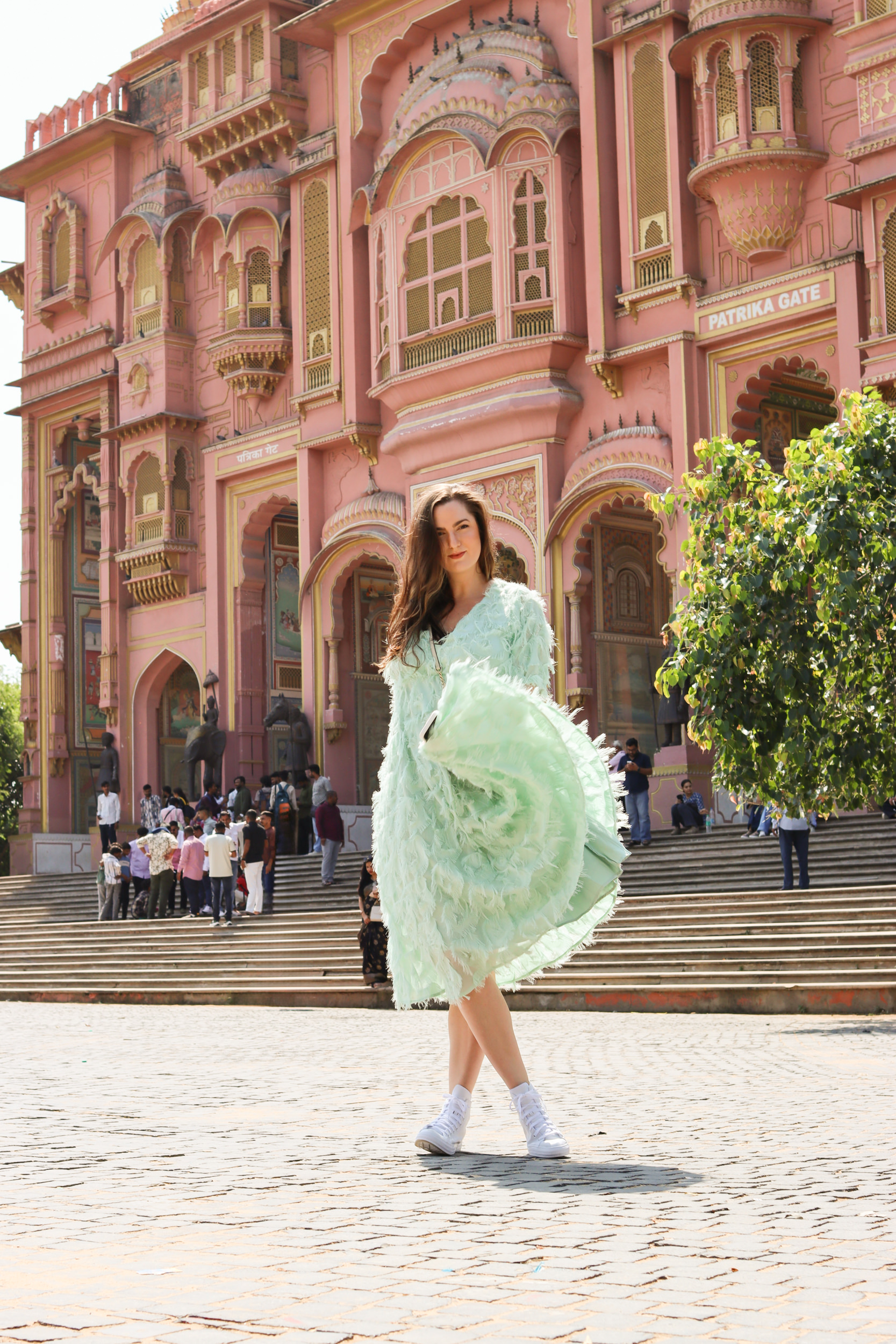
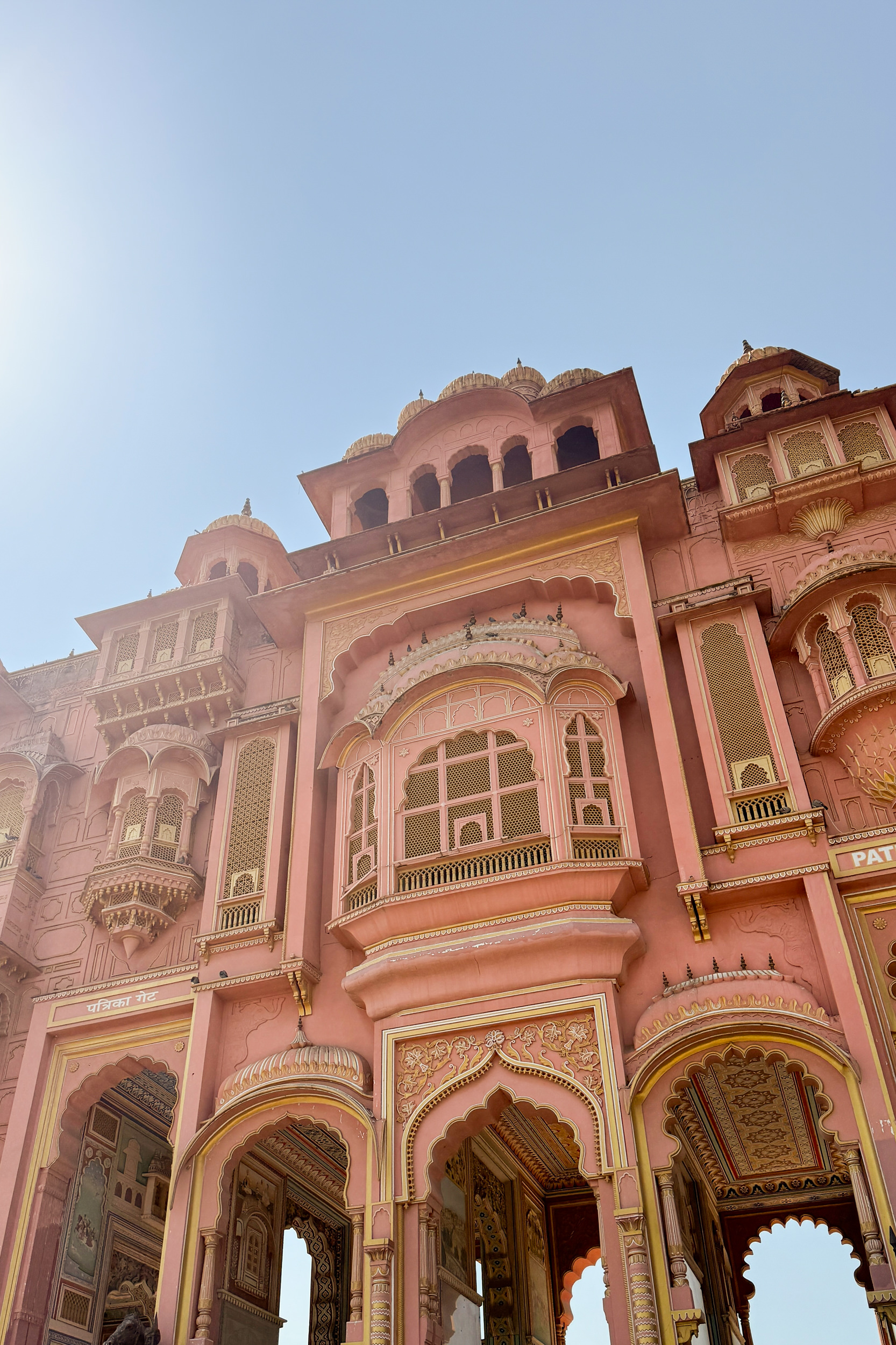
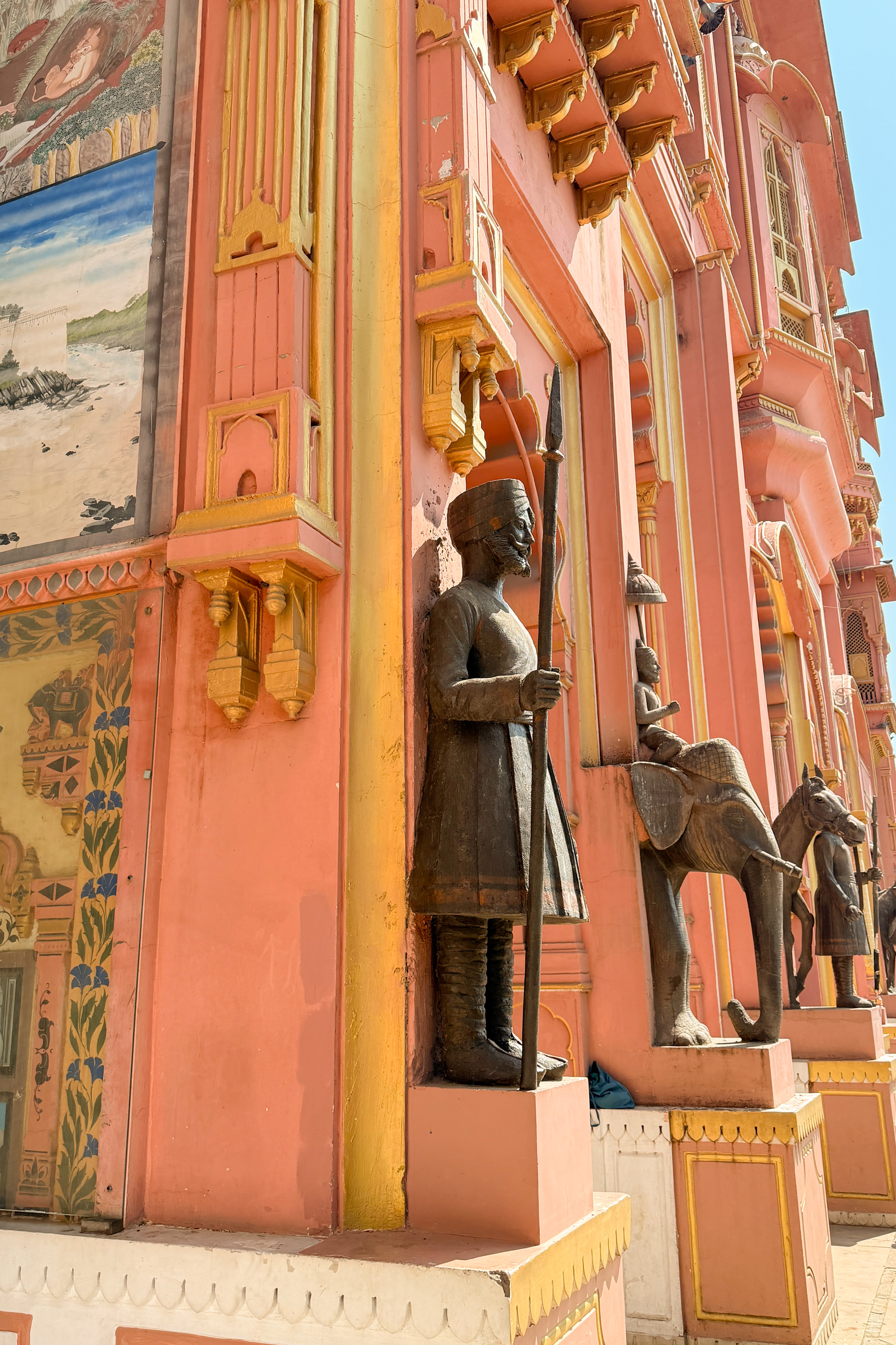
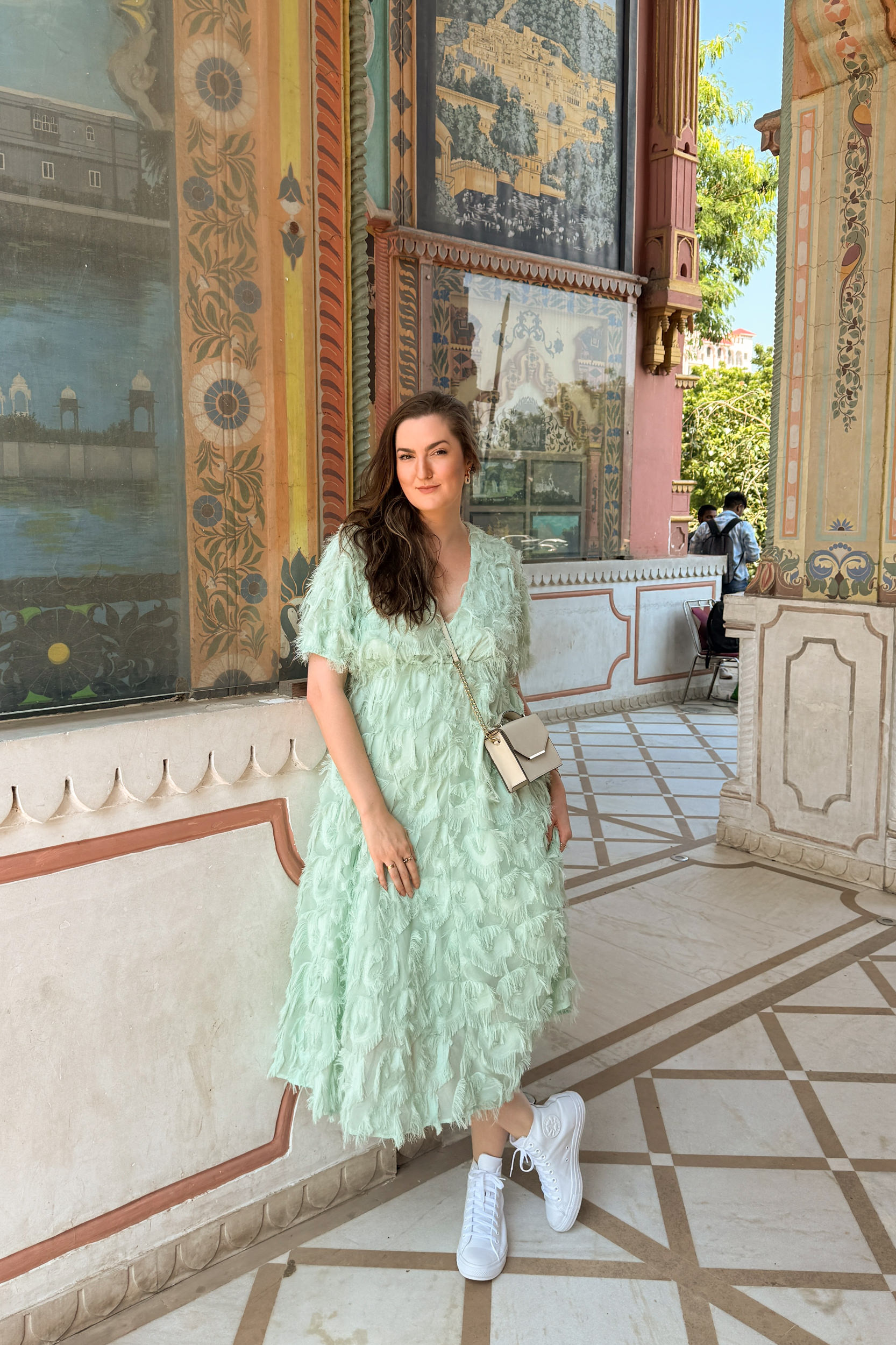
This one looks straight out of a dream: pastel arches, detailed frescoes, total Jaipur magic. But you must go super early, around 7am, or it becomes absolute chaos. Locals will offer to “clear” the crowd for your photo, for a tiny fee, so it might be worth it for a moment – but it gets overwhelming fast. Early morning is peaceful and the light is soft, which makes all the difference.
Fun fact: Patrika Gate was built only in 2016, but it’s designed as a visual love letter to Jaipur, each arch represents a different region or dynasty of Rajasthan, painted entirely by hand. It’s technically the “ninth gate” to the city.

Honorary Mentions

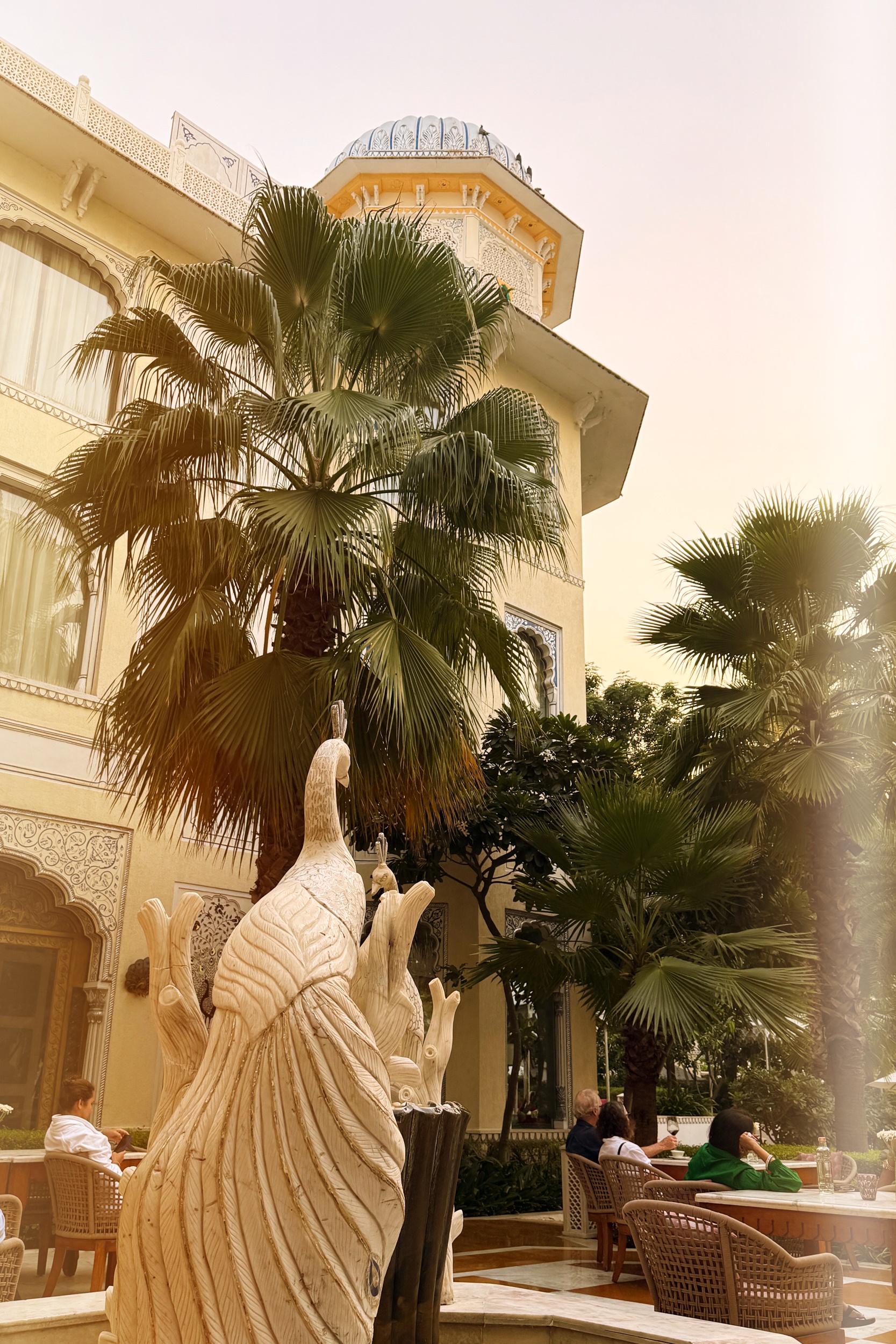
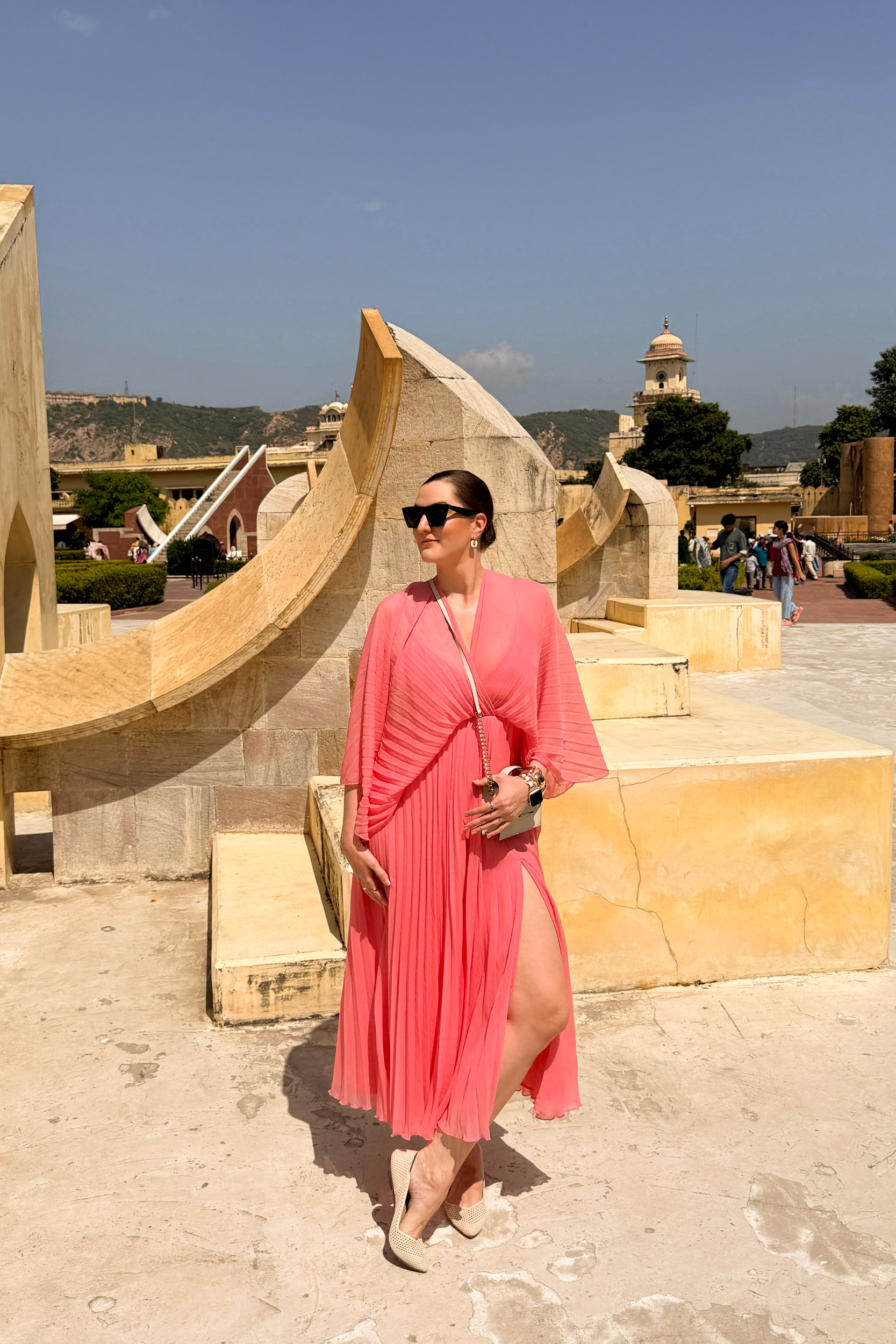
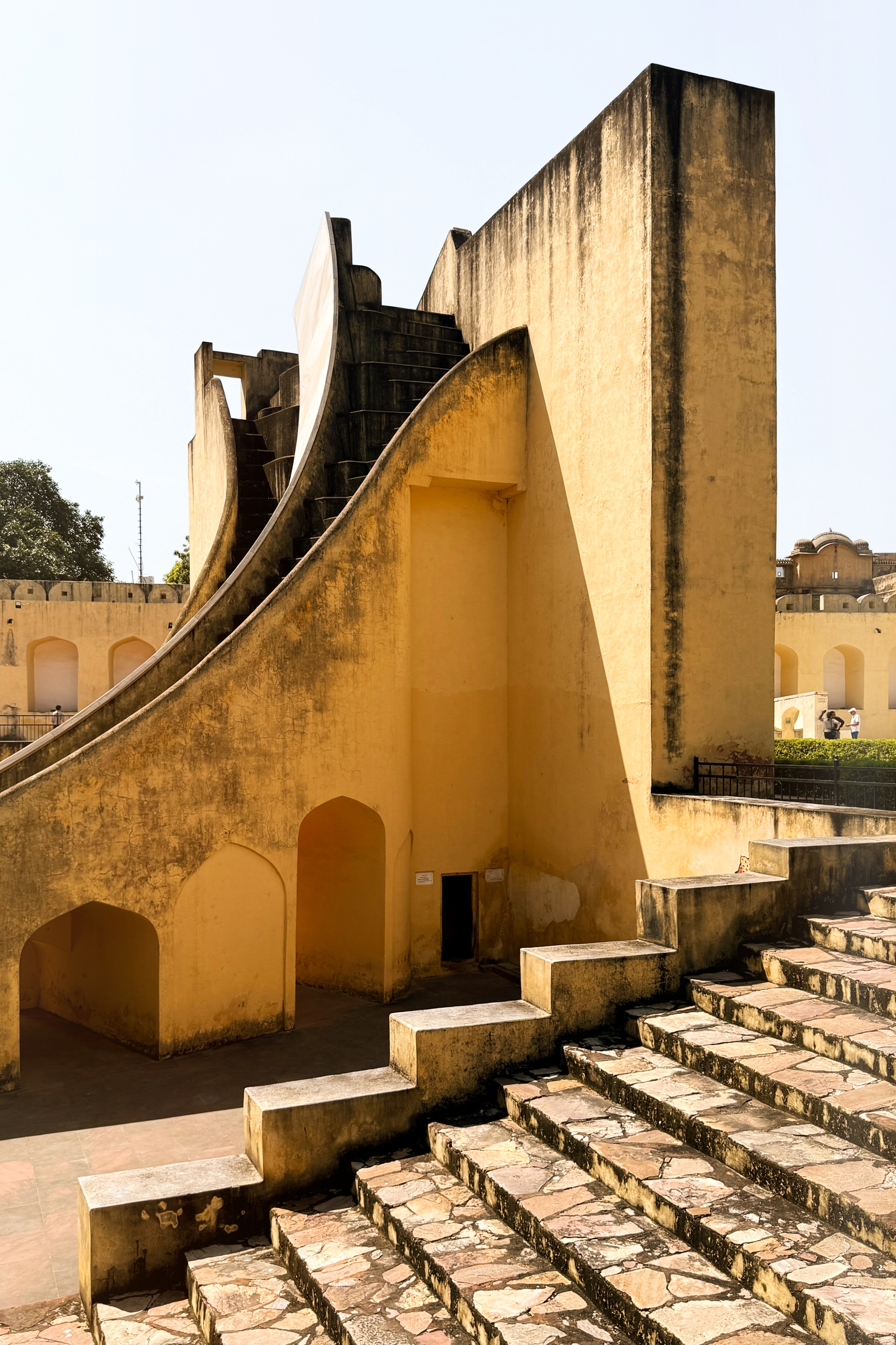
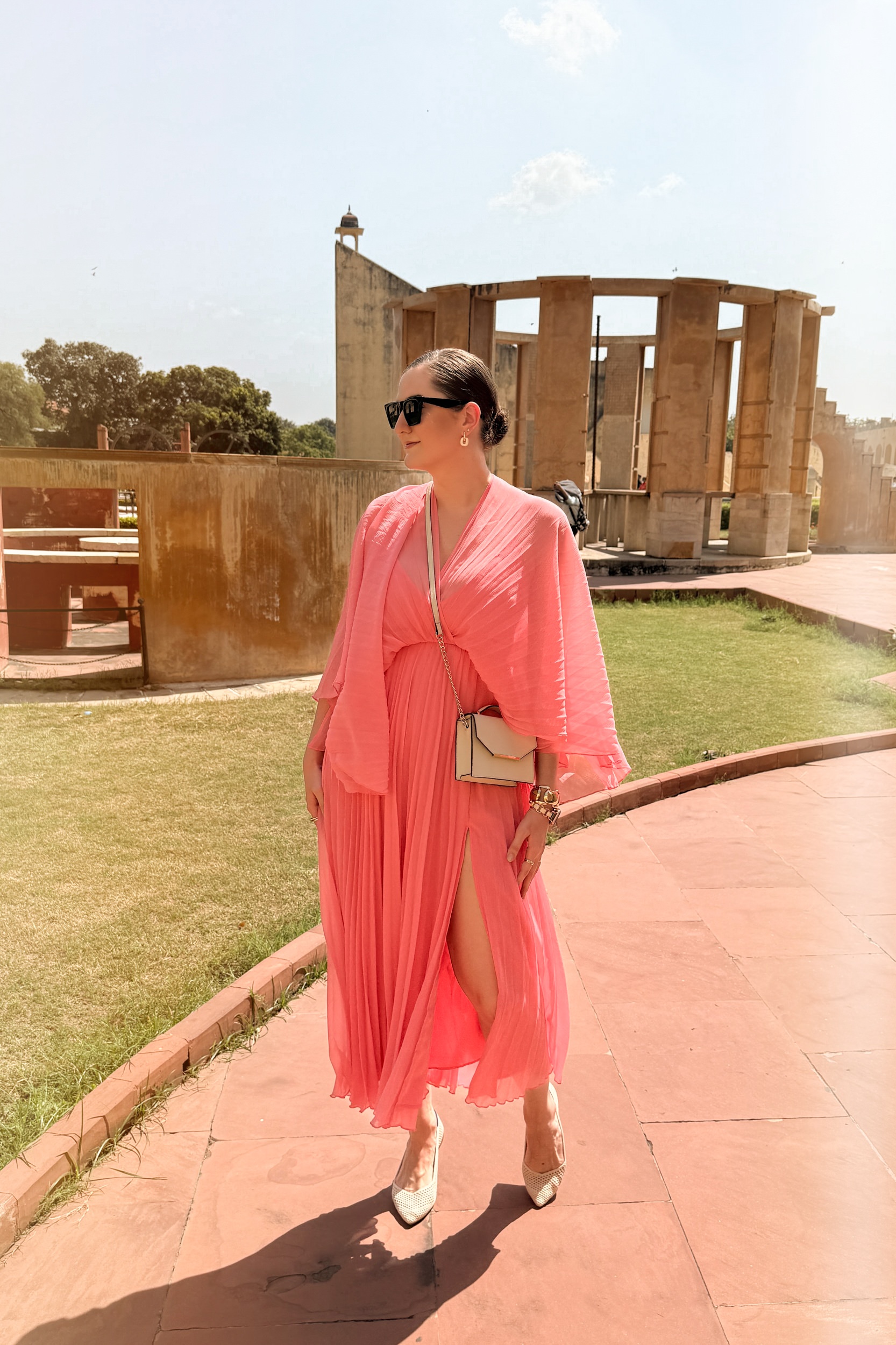
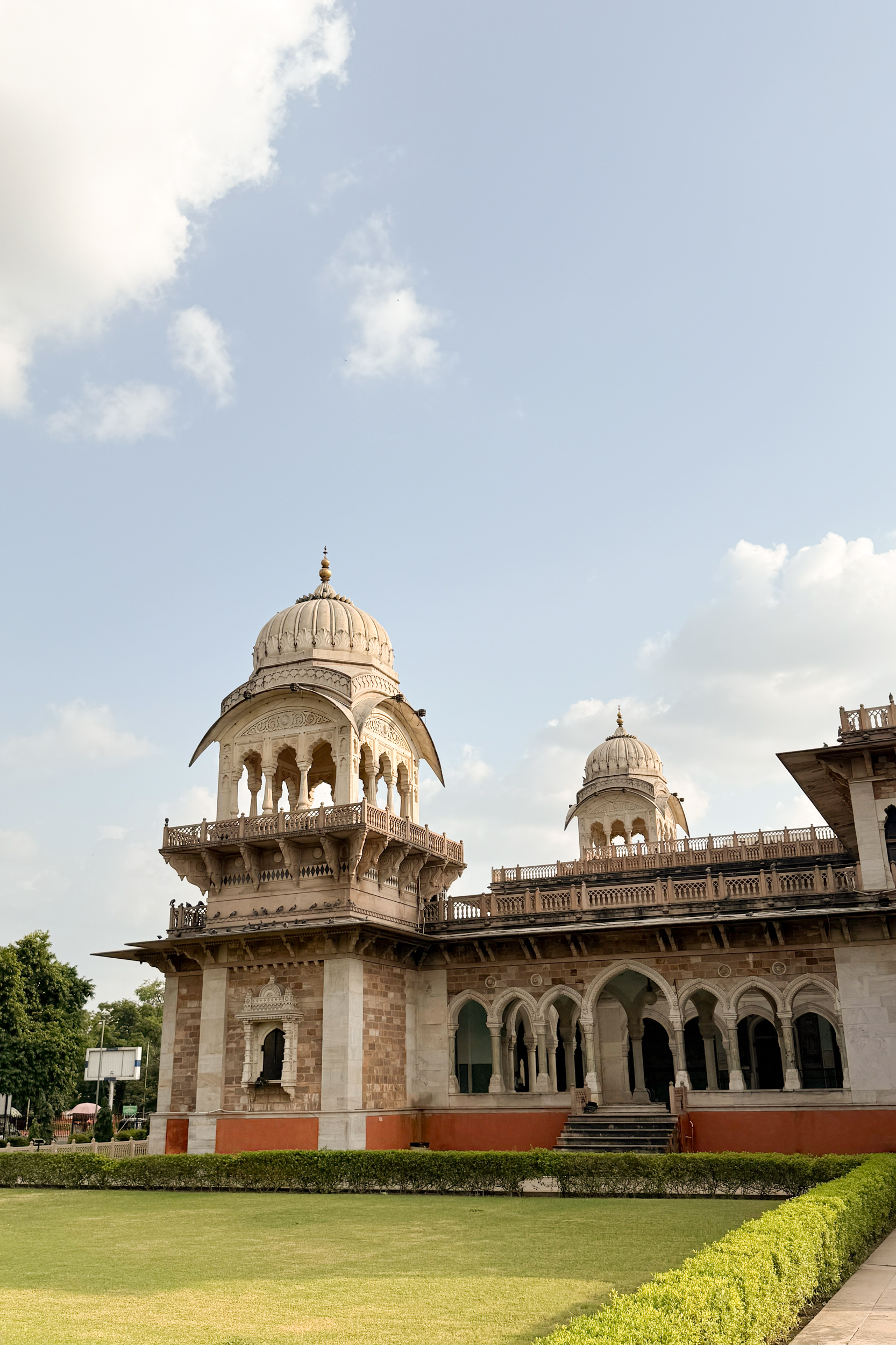
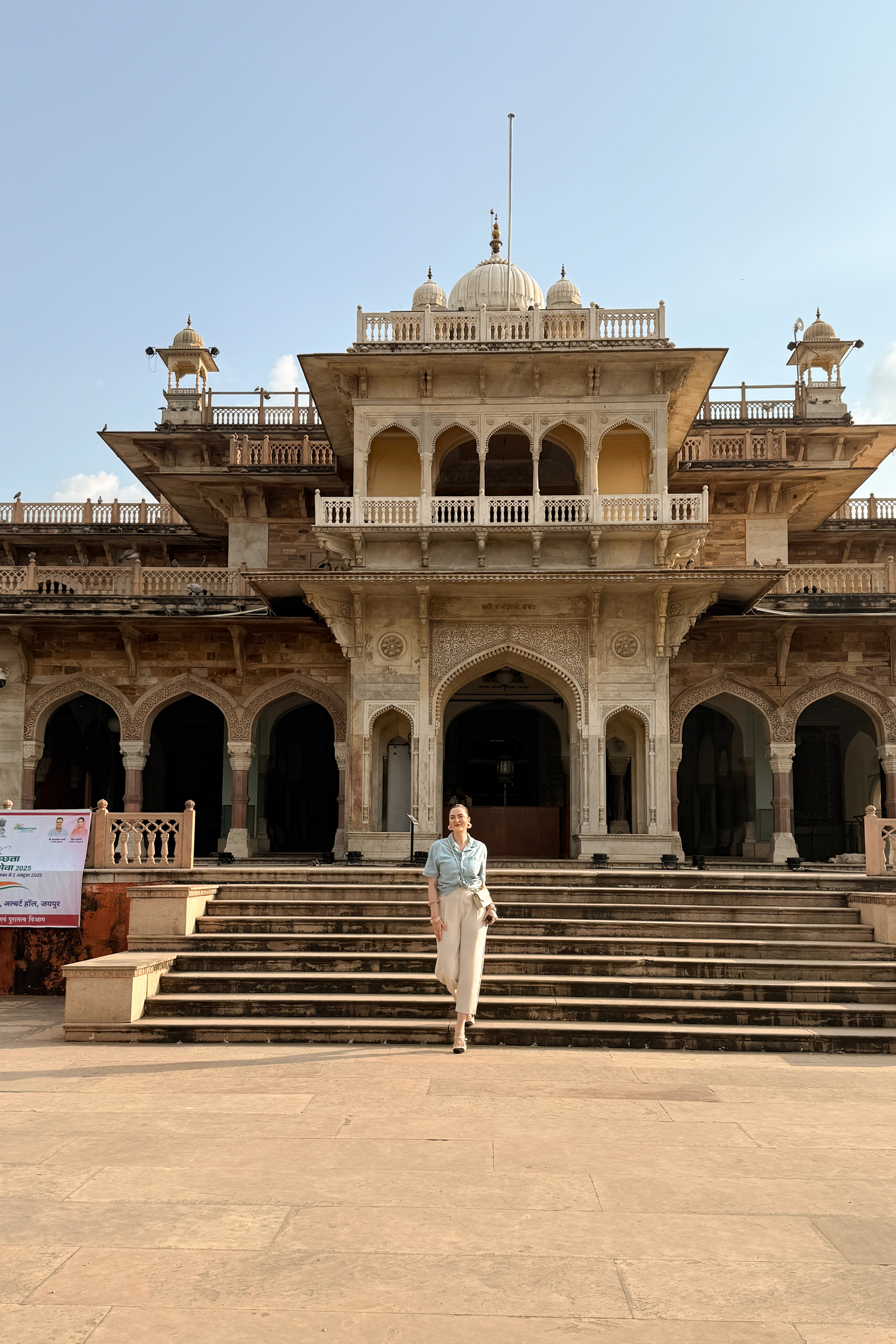
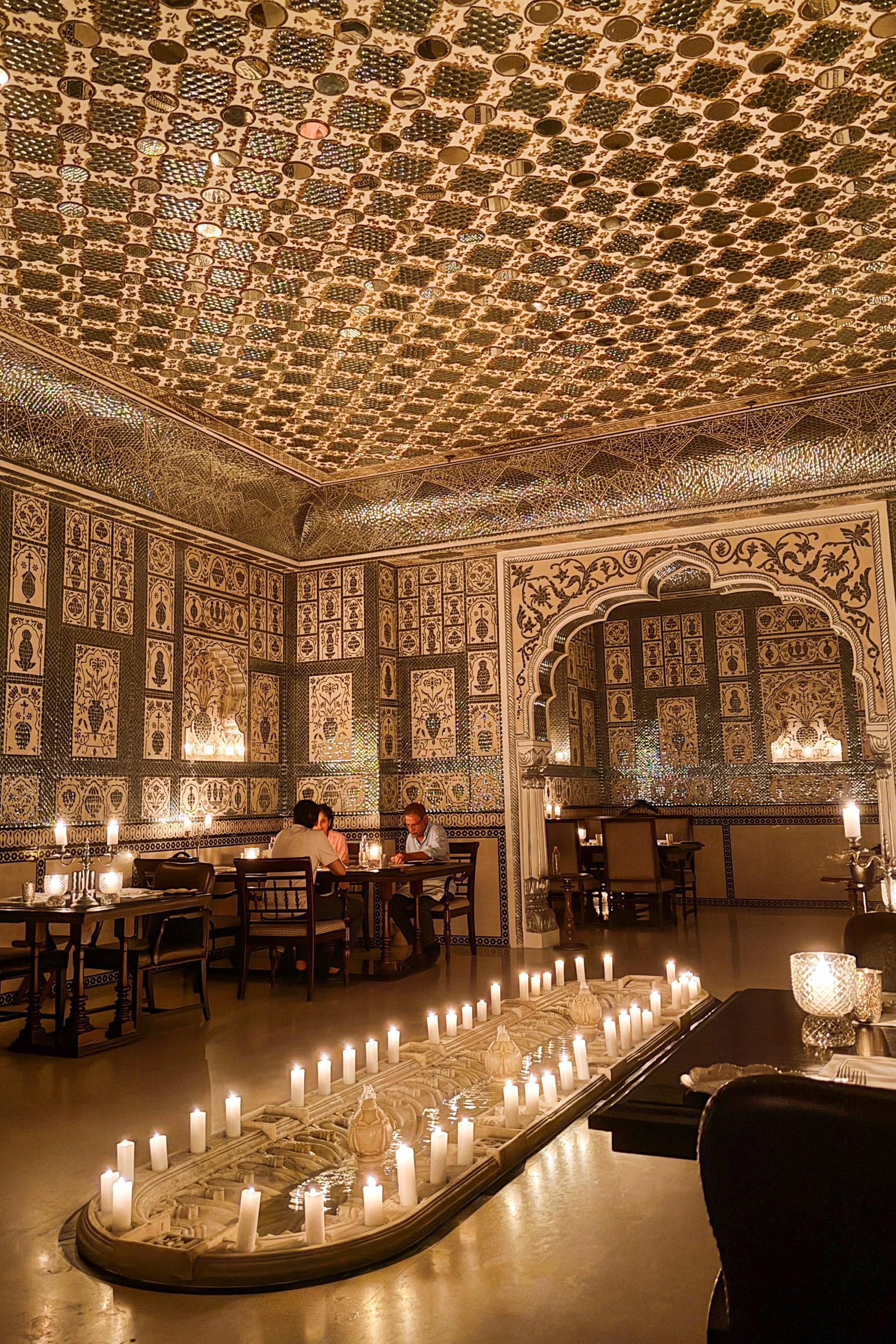
If you have time, don’t miss Albert Hall Museum, Jaipur’s oldest museum and a masterpiece of Indo-Saracenic architecture, it literally glows pink at sunset. Jantar Mantar, across from City Palace, is a UNESCO World Heritage site and houses the world’s largest stone sundial, still accurate to within two seconds. And for an unforgettable dinner, Mohan Mahal at The Leela Palace is pure magic: mirrors, candles, reflections on reflections. It feels like dining inside a jewelry box, somewhere between a dream and a Mughal fairytale.